by Alfred Jarry
translated by Samuel Lees
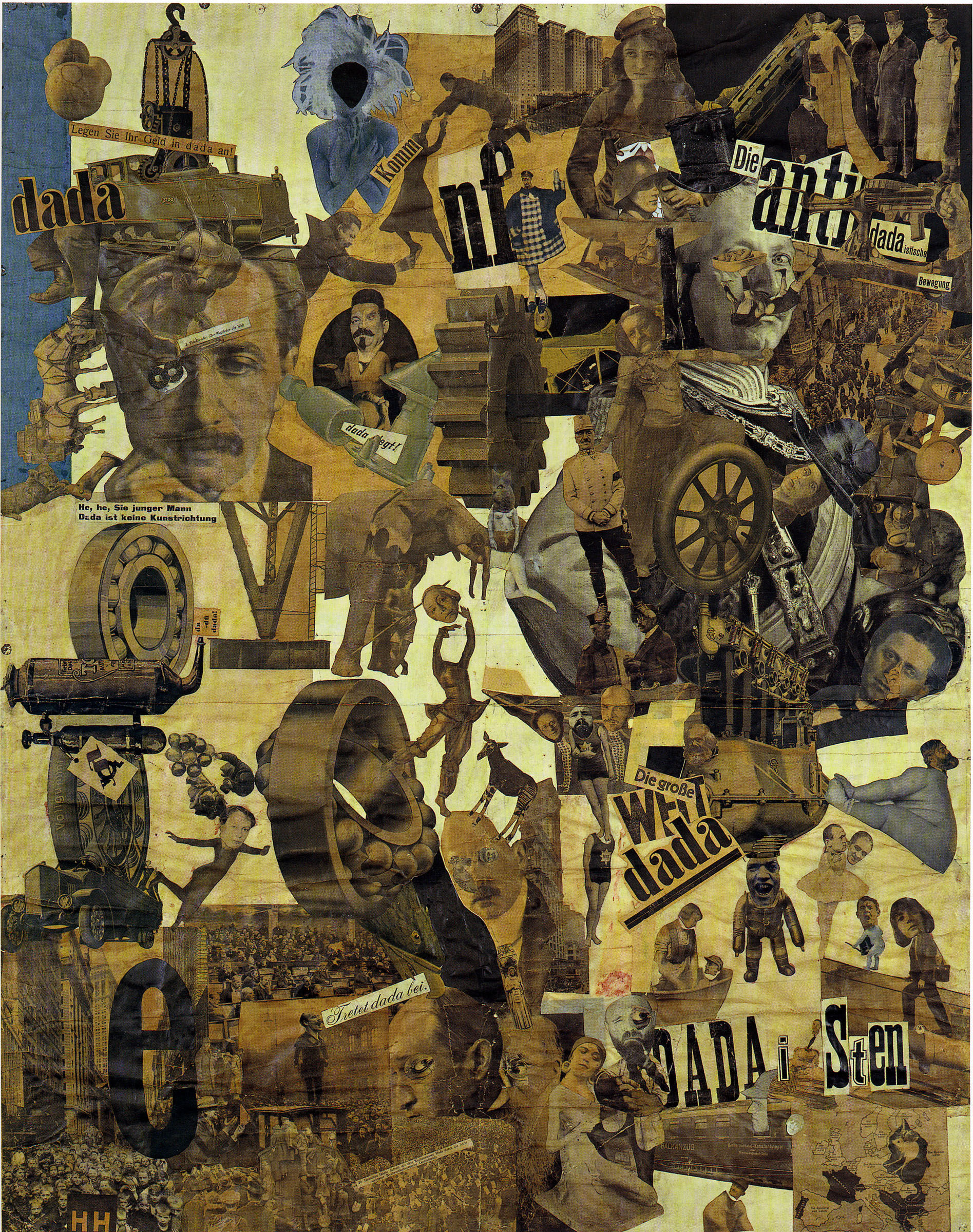
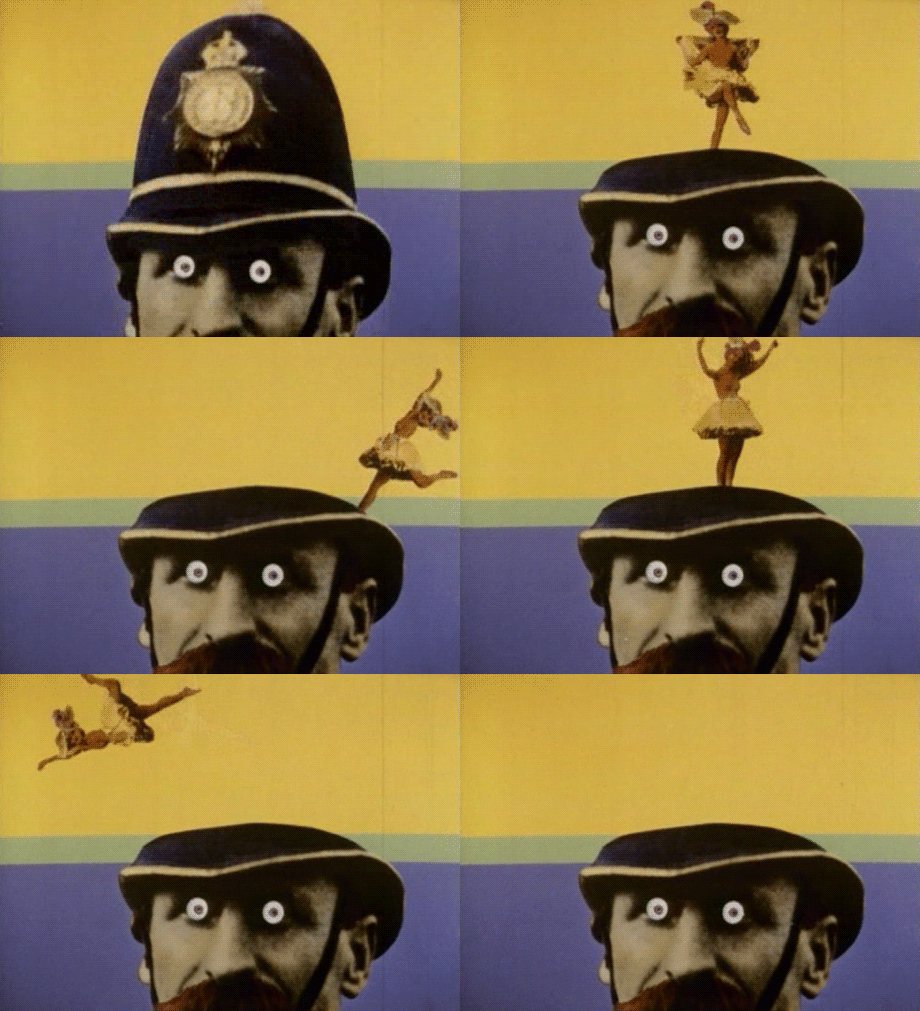
THE POLICEMAN’S BRAIN
We have not forgotten that recent and lamentable affair ― at the autopsy, they found the policeman’s cranium devoid of any brain, but stuffed instead with old newspapers. Public opinion is both moved and surprised by this morbid discovery. We are also deeply moved, but not in any way surprised.
We cannot understand why one would expect to find anything else inside the skull of a policeman. The great diffusion of the printed page is one of the outstanding achievements of this century of progress. And, in any case, we can all agree that this commodity is certainly less scarce than cerebral matter. It is hardly unusual to find a newspaper in one’s hands, whether an old issue or that day’s number, but who among us can honestly claim to have found a policeman with even a fraction of a brain between his ears? There would be little to no point in demanding that these poorly paid victims of duty should be able, on request, to present a full and healthy brain. And besides, the fact is this: they were newspapers.
The findings of the autopsy, published in the press, are likely to strike a healthy note of terror into the hearts of the criminal classes. Henceforth, what thief or cutthroat would risk his brain confronting an adversary to whom a knock on the head is as harmless as a blow from a rag-and-bone man’s stick in a dustbin? ― only one without a brain. To the overly scrupulous taxpayer, it might seem in some way disloyal to resort to such subterfuges in the protection of society. But they will conclude that so noble a function knows nothing of subterfuges.
We accuse the police constabulary of a crime yet more reprehensible. We do not deny this administration the right to supply its officers with brains of paper. We know that our fathers marched towards the enemy in boots of paper, but this will not prevent us from calling indomitably, and eternally if necessary, for Revenge. We aim only to examine the nature of the periodicals that made up the policeman’s brain.
This is bound to depress the moralist and the virtuous man. Alas! it was La Gaudriole, and the most recent issue of Fin-de-Siècle, and a handful of more than frivolous publications, some of which were contraband from Belgium.
This throws light upon certain acts of the police, until this day steeped in darkness, and in particular those which led to the tragic death of the hero of this story. He wanted, if we remember correctly, to stop a carriage for speeding; the carriage was stationary, and the driver could only comply with this strange demand, logically, by reversing. This he did to the sad undoing of the officer who was standing behind the vehicle. In spite of his injuries, he recovered after several days of rest, but, when summoned back to work, he died on the spot.
The negligence of the authorities is entirely to blame for these events. In future they should keep a closer eye on the composition of the cerebral lobes of their officers; they should verify the contents of the skull if necessary by trepanning before any definitive appointment. Forensic analysis should henceforth find nothing inside their skulls but… We will not say a collection of La Revue Blanche or the Cri du Paris, it would be too much to expect for a first reform, nor would we suggest our complete works, our natural modesty prevents us from doing so, and in any case policemen, charged with protecting the public, their heads filled with such matters, would be a danger to society. Here is a list of the most estimable works, in our opinion, for this purpose:
1. The Penal Code.
2. A map of the streets of Paris with the names of all the districts, which will enclose the rest of the brain and with its geographical divisions present a pleasing simulacrum of the cerebral convolutions. It can be consulted, without injury to the officer, by means of a magnifying glass implanted after the trepanning operation.
3. A restricted number of volumes of that dictionary, made no doubt for the police, if we are to judge by the name: LA ROUSSE [the fuzz, a pun on Larousse].
4. And most importantly, an informed selection of opuscules by the most notorious members of the League against the abuse of tobacco.
 Samuel Lees